تخطَّ إلى المحتوى
Modica at first light, Baroque houses climbing the gorge around the dome of San Giorgio

Modica, Sicily

Sicily's oldest chocolate maker. The same street since 1880; the same cold method since cacao first crossed the ocean.

House
Antica Dolceria Bonajuto
Since
1880
Territory
Modica, Ragusa
Craft
Cold-processed chocolate

A gastronomic fossil, kept alive.

When the Spanish brought cacao back from Mesoamerica in the sixteenth century, they brought the Aztec tools with it: the metate, a curved stone warmed by a brazier beneath, on which the beans were ground by hand with a stone roller. Europe added sugar, and for three hundred years this was simply how chocolate was made.

Then the Industrial Revolution arrived, with conching and tempering, and the old method disappeared almost everywhere.

Unwrapped Bonajuto chocolate bars with the house mark pressed into the grainy surface
Black-and-white view over the rooftops of Modica with the Guerrieri viaduct above the town

Modica had been a county tied closely to the Spanish crown, and here — through an improbable chain of historical accident and stubborn habit — chocolate went on being worked cold.

By 1992 only three artisans in Modica still made it this way, and one of them was the Bonajuto family.

The house

1820

Francesco Ignazio Bonajuto, son of a notary, trades in snow from the Iblean hills and opens a spice shop, an ice-cream parlour and a fattojo del ciccolatte: a chocolate workshop that controls the whole chain, from cacao bean to finished bar.

1854

His son Federico inherits "the chocolate workshop with all its tools" and drops the riskier trades to concentrate on chocolate and ice cream.

1880

Francesco Bonajuto, Don Ciccio, founds the firm F. Bonajuto on Corso Umberto I, turning the old shop into a pastry laboratory and an elegant café that becomes the meeting place of the town. In 1911 it wins the gold medal at the International Exhibition in Rome.

Granitas and brioche on a marble cafe table in front of the wooden doors of the Bonajuto shop
The café, Corso Umberto I.
Granitas and brioche on a marble cafe table in front of the wooden doors of the Bonajuto shop
The café, Corso Umberto I.

1932

On Francesco's death his widow Carmela Di Martino takes the helm, with Carmelo Ruta, Don Ciccio's most trusted collaborator. The Bonajuto and Ruta families become one; the methods do not change.

1992

Franco Ruta and his son Pierpaolo begin the recovery of the old Iblean recipes and of cold-processed chocolate, then on the verge of extinction. Franco called it a "small crazy dream".

Archival photograph of the Ruta family talking outside the Bonajuto shop in the early 1990s
Outside the shop, early 1990s.
Archival photograph of the Ruta family talking outside the Bonajuto shop in the early 1990s
Outside the shop, early 1990s.

2008

Eurispes lists the Antica Dolceria Bonajuto among the 100 Excellences of Italy.

Same street. Same method. Still open.

Melted chocolate poured by hand over a sweet in the Bonajuto laboratory

Warm enough to pour. Well below the point where sugar melts.

You can hear the sugar.

Why we selected Bonajuto

01

Heritage

Six generations in the same street, beside the stairway that climbs into Cartellone, the old quarter carved into the rock. The shop still keeps its vetrina dei ricordi, a cabinet of family documents, and a tasting corner where every chocolate can be tried before it is bought. Memory, they say, is one of the ingredients.

Visitors gathered in the lane outside the Antica Dolceria Bonajuto shopfront in Modica

02

Origin

Modica is a UNESCO World Heritage town of Baroque churches climbing a gorge in south-eastern Sicily, and it is the only place in Europe where the pre-industrial way of making chocolate never died. Bonajuto's chocolate is not a revival: it is the unbroken thread.

Modica at first light, Baroque houses climbing the gorge around the dome of San Giorgio

03

Craft

Cacao mass and sugar, worked cold. The result is a bar that is dark, coarse and intensely aromatic, with the sugar still audible between the teeth — flavoured, when it is flavoured, with vanilla, cinnamon or the ingredients of the Iblean countryside.

A Bonajuto pastry chef decorating chocolate sweets by hand

04

Integrity

Bonajuto is also a house of filologia gastronomica: the historical recovery of recipes the rest of Sicily has lost. The mpanatigghi, a Spanish-descended biscuit that hides beef inside chocolate, cinnamon and almonds. The aranciata of orange peel candied in honey. Colours in the gelato di campagna from spinach, beetroot and saffron rather than dyes. When they innovate — with chefs, musicians, fashion houses — they do it knowing exactly where they come from.

Hands shaping Bonajuto's aranciata, candied orange peel pressed into its nest form

Guarantee of origin

Made in Modica, by hand, since 1880.

Every Bonajuto bar is produced in the family laboratory in Modica, in small daily batches. The ingredient list of a classic bar is two lines long: cacao mass and sugar, plus the natural flavouring. Nothing is added to make it smoother, glossier or longer-lasting.

42 °C

Cacao mass and sugar are worked at around 42–45 °C, well below the temperature at which sugar melts. No conching, no tempering, no cocoa butter added, no milk, no lecithin.

150 years

More than a hundred and fifty years in the same street, six generations deep.

  • Sicily's oldest chocolate factory still in operation
  • Gold medal, International Exhibition of Rome, 1911
  • 100 Excellences of Italy, Eurispes 2008
  • Cold-processed, unconched, no added cocoa butter
  • Made in Modica, UNESCO World Heritage site
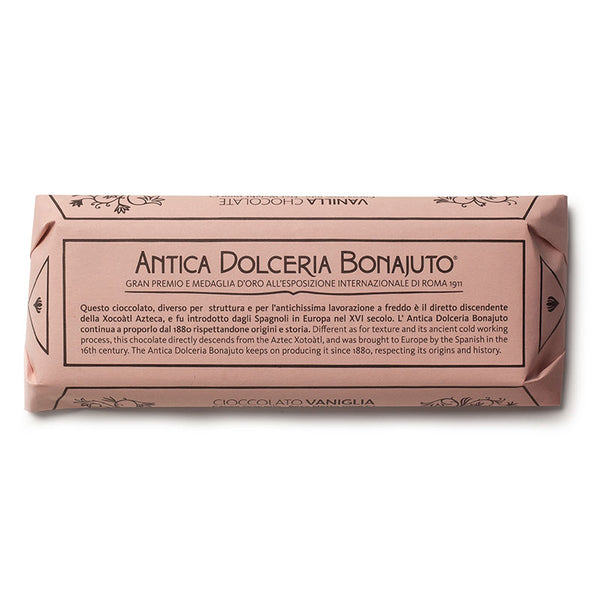
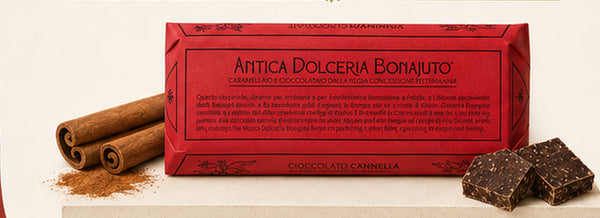
Wrapped Bonajuto chocolate bars in red, pink and grey papers laid out with bare dark bars
Chocolate sweets dusted with sugar offered on a small plate held in two hands

Through ZAGARA Selection

Bonajuto chocolate does not travel well through supermarket logistics, and it was never meant to: it is a fresh product, made every week, without the additives that keep industrial chocolate stable for years. Through ZAGARA Selection it reaches Australia by the shortest route from Modica — small consignments, carefully temperature-managed — so the bar you open here is the bar you would buy on Corso Umberto I.

Shop Bonajuto

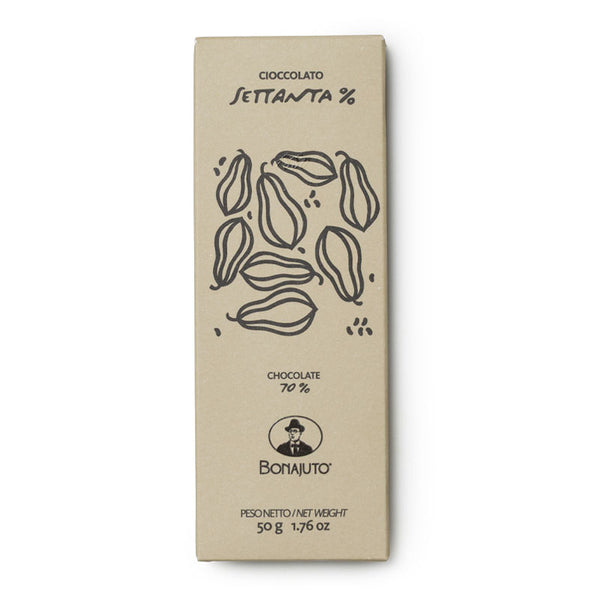
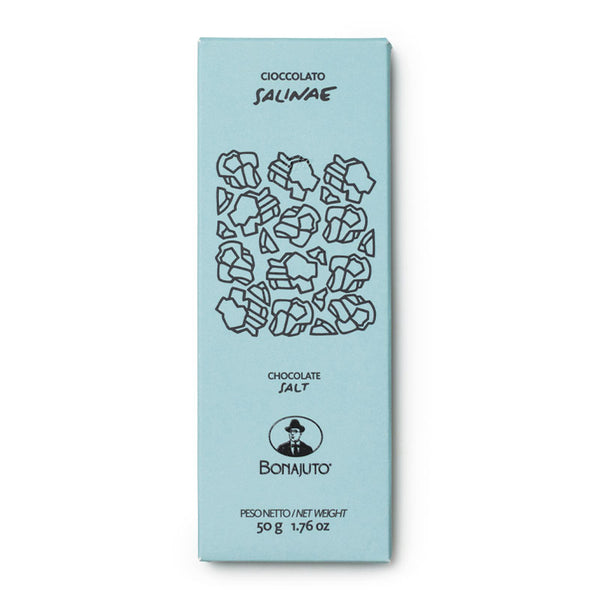
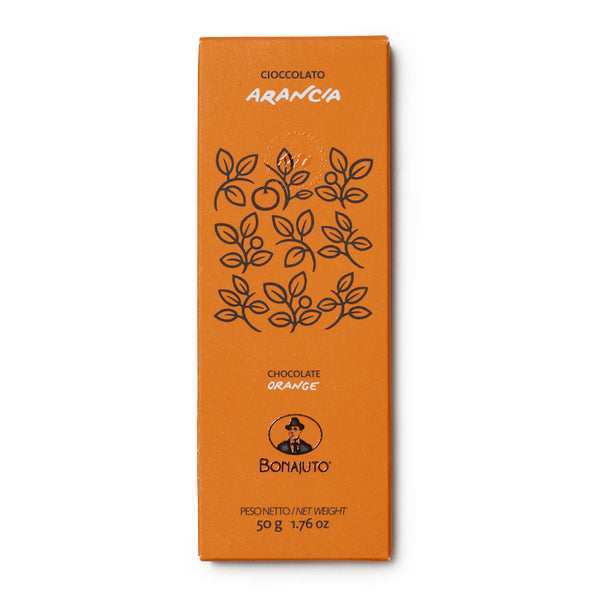
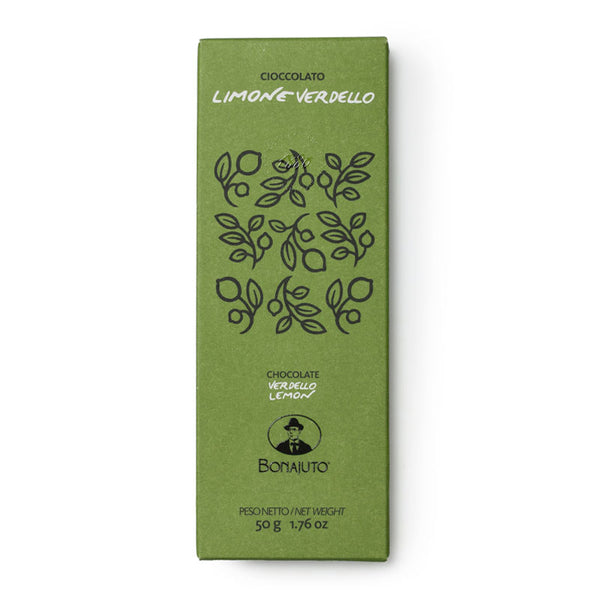
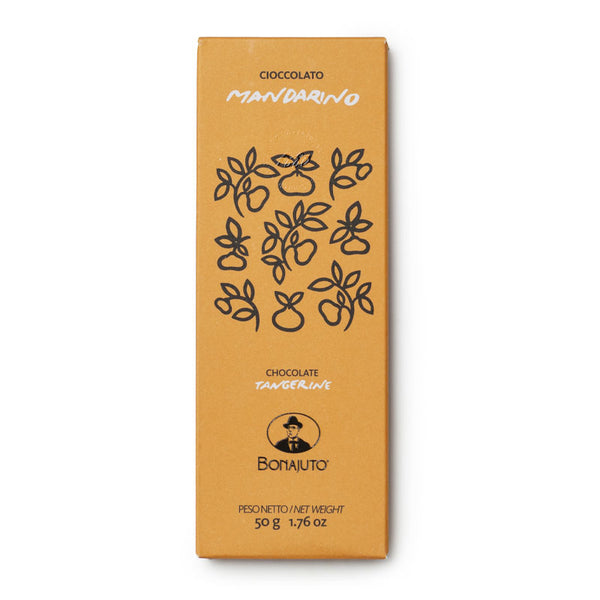
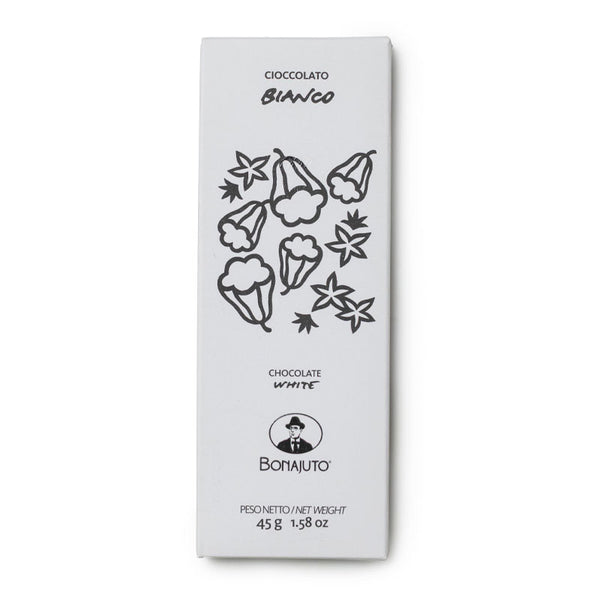
Three historic recipes, five flavoured bars, and two things beyond the bar.

Every Bonajuto bar is between consignments from Modica right now. Leave your email on the one you want and we will write to you the day it lands in Australia.

Browse the whole selection

© Antica Dolceria Bonajuto — photographs courtesy of the house; Modica views by Ciccio Erre

راسلنا عبر واتساب